
Food as medicine: why TCM draws no line between the kitchen and the pharmacy
Warming and cooling foods, pears, ginger and slow-cooked soups. How traditional Chinese medicine thinks about food, and how to eat with the seasons in a Swedish winter.
By Dr. Fei Tian5 min read
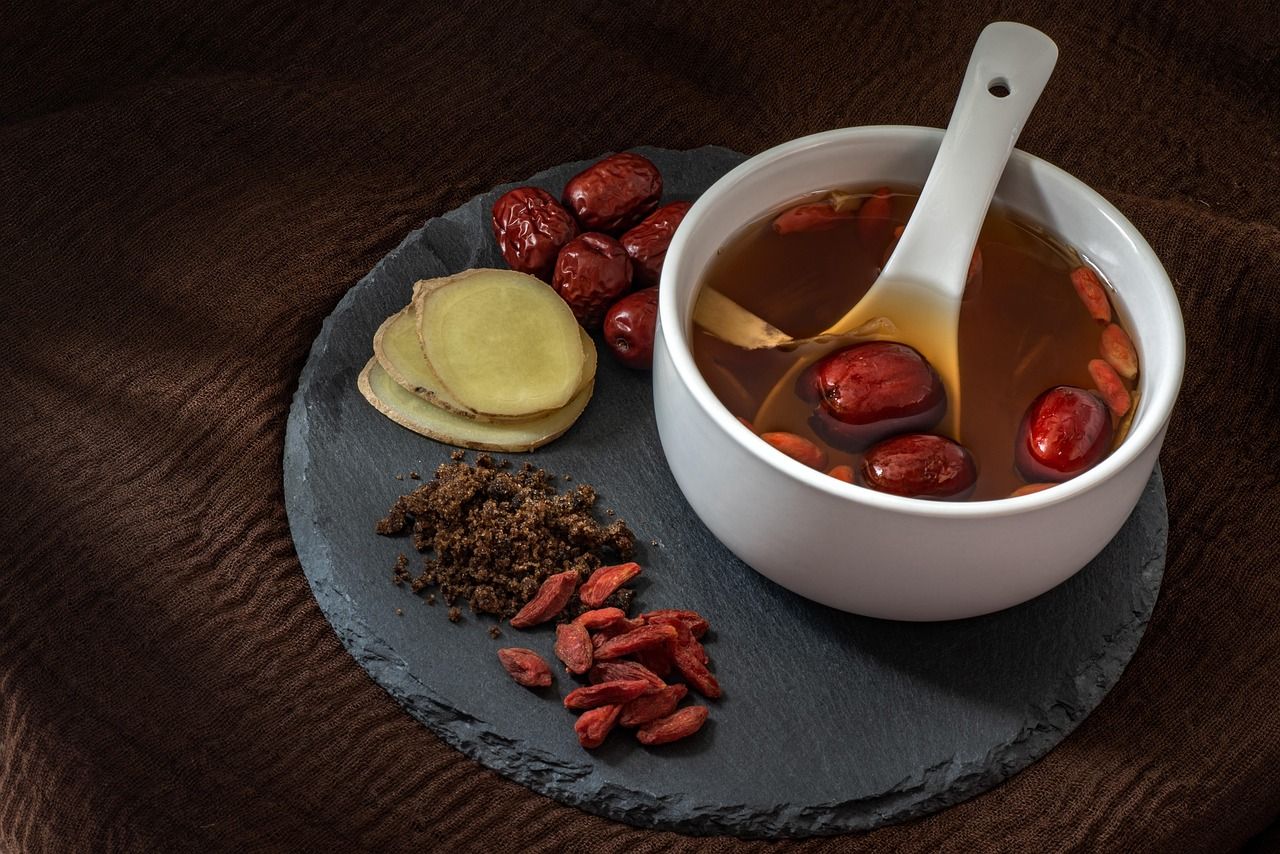
In traditional Chinese medicine there is no sharp line between food and medicine. In Chinese it is called 药食同源, yao shi tong yuan: food and medicine share the same origin. According to TCM, every food has a temperature and a taste that affect the body. That is why the kitchen is the first place a TCM practitioner looks for balance.
This article explains how the thinking works, which classic dishes are used, and how you can eat with the seasons when it is cold and dark.
The trend Chinese grandmothers already knew
On TikTok, videos about Chinese home cooking get millions of views. People stew pears with rock sugar when they have a cough, drink ginger tea with red dates and make slow-cooked soups to “warm the body”. The hashtag #foodasmedicine gathers everything from bone broths to snow fungus for the skin.
For most Chinese families none of this is new. It is everyday knowledge handed down through the generations. Dr. Tian grew up with it, in a family that has practised TCM for four generations.
Warming, neutral or cooling
The most important idea in TCM dietary theory is that food has a temperature. The temperature describes how the food affects the body according to tradition. It has nothing to do with how hot the plate is.
- Warming: ginger, cinnamon, onion, garlic, lamb, oats and red dates.
- Neutral: rice, corn, potatoes, carrots and most pulses.
- Cooling: cucumber, watermelon, citrus fruit, raw vegetables, green tea and mint.
No group is better than another. Someone who feels cold easily, has cold hands and sluggish digestion needs more warming food, according to TCM. Someone who often feels hot, sweats and sleeps restlessly does better with more cooling food, according to tradition.
TCM also tends to advise cooked, warm food over cold, raw food. According to tradition, digestion works best when it does not first have to warm the food up. A cup of hot water with a meal is therefore more common in China than a glass of iced water.
Five tastes
TCM also groups food by five tastes: sweet, sour, bitter, pungent and salty. Each taste belongs with one of the body’s organ systems. Bitter belongs with the heart, for example, and sweet with the spleen, which in TCM stands for digestion. A meal with all the tastes in moderation is thought to bring balance. Too much of one taste, such as sweet, brings imbalance.
Four classics from the Chinese kitchen
Pear stewed with rock sugar
冰糖炖梨 is perhaps the best-known home remedy in China. A pear is cored, filled with rock sugar and steamed until soft. In TCM, pears count as moistening and slightly cooling, and the dish is traditionally used for a dry throat and a dry cough. If you have been coughing for more than three weeks, contact your GP.
Ginger and red dates
Sliced fresh ginger and a few red dates (jujube) are simmered in water for fifteen minutes. The drink counts as warming and is often taken on a cold day or when you feel chilled.
Congee
Congee is a rice porridge cooked for a long time in plenty of water. It is the Chinese counterpart of porridge oats and is considered easy on the stomach. It is often eaten for breakfast with ginger, goji, spring onion or a little meat.
Slow-cooked soups
Soups simmered for hours with bones, root vegetables and herbs are the backbone of many Chinese homes. They are considered warming and strengthening, especially in winter and after illness.
Eat with the seasons: winter
According to TCM, winter is the season of yin. Nature rests, and the body also needs to save its strength. Tradition’s advice for a Swedish winter is simple:
- Eat more soups, stews and porridge, and less raw, cold food.
- Use warming spices such as ginger, cinnamon and onion.
- Choose root vegetables, cabbage and pulses, which are in season in Sweden anyway.
- Drink hot water or herbal tea instead of iced drinks.
- Go to bed earlier and sleep a little longer.
So you do not need to shop at an Asian grocer. Porridge, pea soup and a stew with carrots and onions fit TCM’s logic perfectly well.
What the research says
This is the knowledge of tradition. Few studies have tested TCM dietary advice, and the ideas of warming and cooling food are not scientifically established. The dietary guidelines from the Swedish Food Agency still apply. The two often sit well together, since both favour home-cooked food, plenty of vegetables and pulses, and little sugar.
Why Dr. Tian often starts in the kitchen
The same food does not suit everyone. Ginger can be good for someone who feels cold but too much for someone who is already hot and restless. That is why Dr. Tian starts from your diagnosis.
At a health consultation she examines your pulse and tongue and asks about your eating habits, sleep and energy. You get a picture of whether, according to TCM, your body needs more warmth or more coolness, and concrete advice on what to eat more or less of.
- Health consultation, 550 SEK, 30 minutes. A TCM diagnosis and advice on food and habits.
- Acupuncture, first visit, 1,400 SEK, 60 minutes. Consultation and treatment in the same visit.
Book an appointment or first read what TCM is.
Frequently asked questions
Do I have to eat Chinese food?
No. TCM’s ideas work with Swedish ingredients. Porridge, soups, root vegetables, onions and ginger are in every supermarket.
Is cold food harmful?
No. It is about balance. A salad on a hot summer’s day is entirely in line with TCM. The advice is not to eat mostly cold, raw food, especially in winter if you often feel cold.
Can food replace my medicines?
No. Food is part of how you look after yourself, but it does not replace medicines or treatment from the healthcare system. Never change your medicines without talking to whoever prescribed them.
Sources
- Livsmedelsverket (Swedish Food Agency). Dietary guidelines.
This article is general information and does not replace an assessment by a healthcare professional. If you have urgent or severe symptoms, call 1177 or contact your health centre (vårdcentral).