
What is TCM? Why Chinese medicine sees the body as a garden
Traditional Chinese medicine in a few minutes: its history, the ideas of qi and yin and yang, and why TCM sees the body as a garden rather than a car.
By Dr. Fei Tian6 min read
Traditional Chinese medicine, TCM, is a system of medicine that has developed in China over more than 2,000 years. It sees the body as a whole in which everything is connected: the organs, emotions, sleep, food and the seasons. The aim is to find the imbalance behind a complaint and help the body back into balance through acupuncture, herbs, diet and movement. In Sweden, TCM is used as a complement to conventional healthcare.
This article explains where TCM comes from, how it thinks, and how Dr. Tian uses it at her clinic in Gothenburg.
The car and the garden
A simple way to understand the difference between conventional medicine and TCM is to compare a car with a garden.
Conventional medicine often looks at the body much as a mechanic looks at a car. Something has broken. You find the part and repair or replace it. An infection gets antibiotics, a broken leg is operated on and an inflamed appendix is removed. This is an excellent way of thinking when the fault can be pinpointed, and it has saved millions of lives.
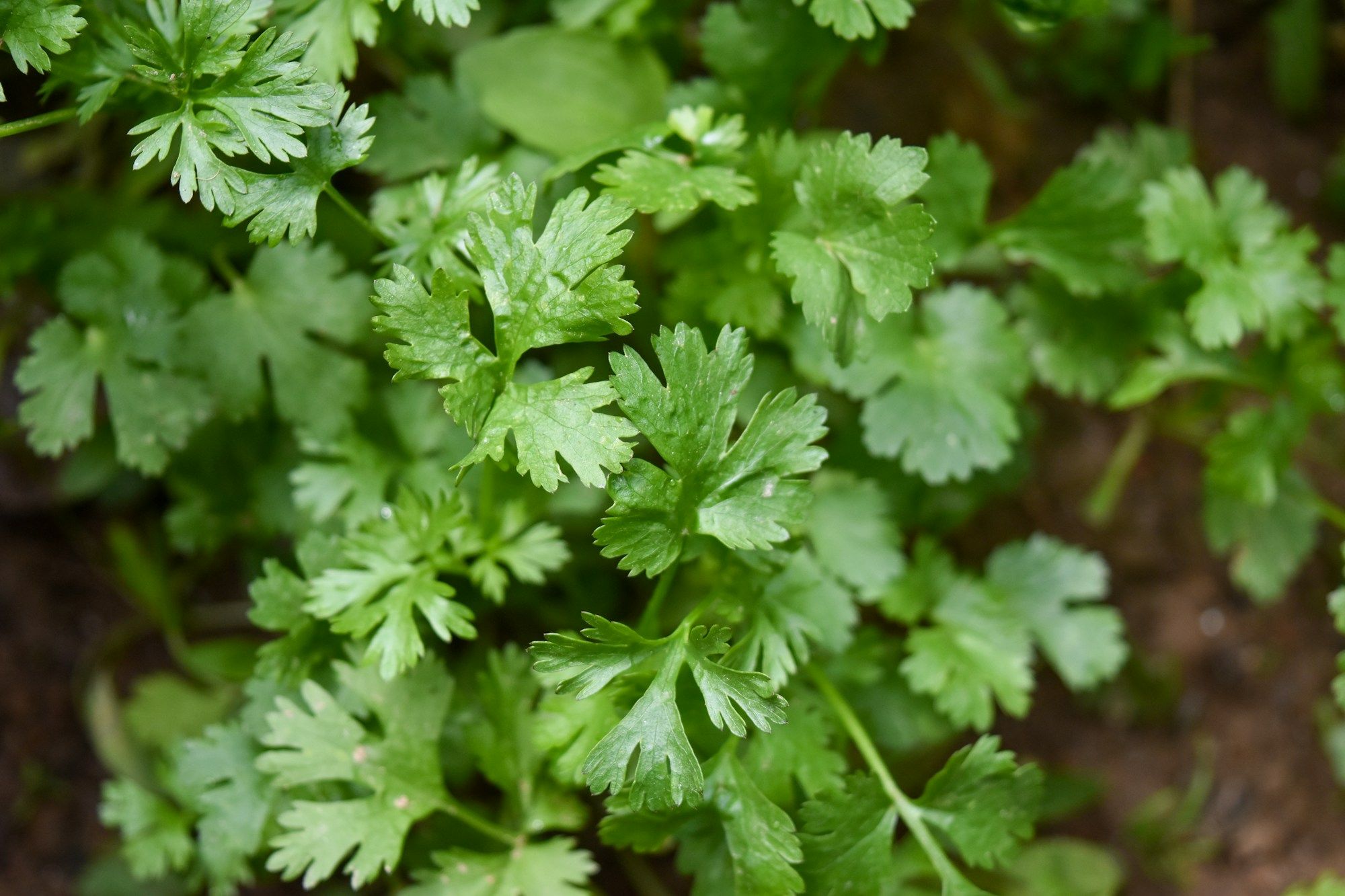
TCM looks at the body more as a gardener looks at a garden. When a plant wilts, the gardener looks beyond the leaves. What is the soil like? Is the plant getting too little sun, or is it standing in water? What season is it? The same yellow leaves can have quite different causes, and then the plant needs different care.
In the same way, two people with headaches may receive different treatments from a TCM practitioner. For one, the headache is linked to stress and poor sleep. For the other, it is linked to cold, a stiff neck or sluggish digestion. TCM treats the pattern behind the symptom.
This also explains something that surprises many people. The needles are often placed far from where it hurts. Shoulder pain may be treated with points on the hand or leg, because TCM sees the body’s channels as one connected network.
The comparison does not mean that one view is right and the other wrong. The mechanic and the gardener have different skills, and both are needed. If you have acute or serious symptoms, always seek medical care. Many people who come to TCM have already been helped by conventional care and want to add something that looks at the whole person.
People are part of nature
In TCM, people are part of nature. The body is affected by the same forces as the weather and the seasons. In Chinese the idea is called 天人合一, tian ren he yi, roughly “heaven and humanity are one”.
That is why TCM follows the seasons. According to tradition, you should rest more in winter, eat warming food and keep the body warm, much as nature rests. Spring is the time to get moving and wake up. Someone who lives against the seasons, sleeps too little and eats cold food in the middle of winter loses balance more easily, according to TCM.
Three core ideas in TCM
Qi, the life force
Qi is pronounced roughly “chee” and is the body’s life force according to TCM. It flows through the body in channels called meridians. When qi flows freely, the body works well. When the flow stalls or weakens, TCM holds that pain, fatigue and illness follow. Acupuncture is used to get the flow moving again.
Yin and yang
Yin and yang are two opposite forces that need each other: cold and heat, rest and activity, night and day. A healthy body keeps them in balance. Someone who is always on the go and sleeps badly has too little yin, according to TCM. Someone who feels cold and tired may have too little yang.
The five phases
TCM groups nature and the body’s organs into five phases: wood, fire, earth, metal and water. Each phase belongs with an organ, a season, a taste and an emotion. The liver, for example, belongs with wood, spring and anger. The system helps the practitioner see how a problem in one place can affect another.
This is the language of tradition. Meridians and qi do not show up on an X-ray. The concepts are a way of describing patterns in the body, built on observations made over a very long time.
More than 2,000 years of history
- The Yellow Emperor’s Classic of Internal Medicine (黄帝内经, Huangdi Neijing) was written down more than 2,000 years ago. It describes qi, yin and yang and the meridians, and TCM students still read it.
- Shennong’s Classic of Materia Medica (神农本草经) gathered knowledge of hundreds of plants and minerals.
- Zhang Zhongjing wrote a book on fevers around the year 200. Many of his herbal formulas are still in use.
- Li Shizhen completed his great encyclopaedia of medicines in 1578. It describes almost 1,900 substances.
In China, TCM has a place in hospital care, often side by side with conventional medicine. Many hospitals have their own TCM departments, and medical students can train in both. The combination is called integrative medicine. How TCM came to play a part in a Nobel Prize and won a place in the WHO’s classification is the subject of a coming article.
What does the research say?
Acupuncture is the most studied part of TCM. NICE, the body that sets clinical guidelines in England, recommends acupuncture for chronic primary pain. NICE also recommends acupuncture to prevent migraine and chronic tension-type headache. For many other complaints the research is thinner or unclear, and it is only fair to say so. Dietary advice and herbal medicine rest largely on tradition and experience.
Why Dr. Tian brings two worlds together
Dr. Fei Tian is a fourth-generation TCM practitioner. She grew up in a family where herbs and acupuncture were part of daily life. She qualified in medicine in China in 1985, with training in both conventional medicine and TCM. She then spent fifteen years in clinical work at Chinese university hospitals. In 2008 she completed her PhD at the Sahlgrenska Academy in Gothenburg.
So she can explain your complaints in the language of both TCM and conventional medicine. She asks what your doctors have already said, and she will tell you if something should be checked by your GP first.
How to try TCM in Gothenburg
- Health consultation, 550 SEK, 30 minutes. Dr. Tian examines your pulse and tongue, makes a TCM diagnosis and suggests a plan. A good first step if you are curious.
- Acupuncture, first visit, 1,400 SEK, 60 minutes. Consultation and treatment in the same visit.
The clinic is by the water in Eriksberg on Hisingen. Book an appointment, read more about what TCM is or see what happens at your first visit.
Frequently asked questions
Is TCM an alternative to conventional care?
No, think of TCM as a complement. Keep taking the medicines and treatment you have been prescribed. Some illnesses, such as cancer, diabetes and epilepsy, must always be treated within the healthcare system. Dr. Tian does not treat them.
Do I have to believe in qi for it to work?
No. You do not need to share TCM’s philosophy to have treatment. The concepts are Dr. Tian’s tools for making a diagnosis. You will notice for yourself how your body responds, and you review progress together after a few visits.
Do I need a referral?
No, you book yourself. It helps to bring a list of your medicines and any recent test results to your first visit.
Sources
This article is general information and does not replace an assessment by a healthcare professional. If you have urgent or severe symptoms, call 1177 or contact your health centre (vårdcentral).